A straight-talking guide from Focus Media Outdoor — over 20 years in the industry
Digital billboard advertising is one of the fastest growing formats in UK outdoor advertising. Furthermore, it’s also one of the most misunderstood — many businesses assume it’s only for large brands with big budgets, or that it works in the same way as digital online advertising. However, digital outdoor advertising is a distinct format with its own rules, buying models and creative requirements. In this guide, we cover everything you need to know — what digital billboard advertising is, how it works, what it costs and how to book. Moreover, if you’d like to explore a campaign, our campaign planning team are here to help.
What Is Digital Billboard Advertising?
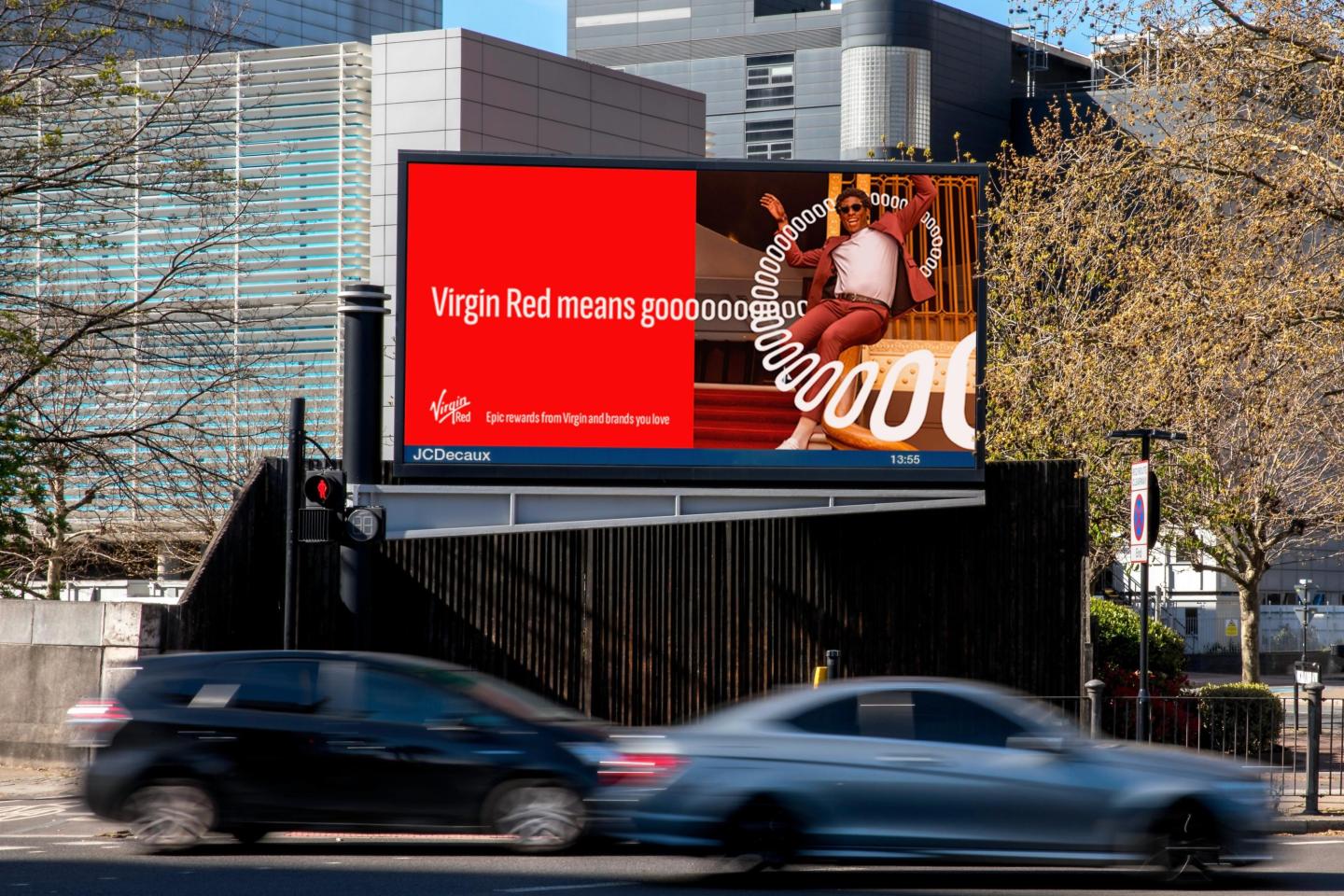
Digital billboard advertising — also known as digital OOH, DOOH or LED billboard advertising — refers to outdoor advertising that appears on large format LED screens rather than printed vinyl posters. Furthermore, these screens can display moving images, animations and video content, and can show multiple advertisers’ adverts in rotation rather than displaying a single static poster.
In the UK, digital advertising boards are found in a wide range of locations — on roadsides and motorways, in town centres, at train stations, shopping centres, airports and increasingly at bus stops. Moreover, the network of digital outdoor screens in the UK has expanded rapidly over the last decade, making digital billboard advertising accessible to businesses of all sizes across most major towns and cities.
Digital outdoor advertising screens in the UK now reach over 90% of the adult population every week. As a result, digital billboard advertising has become one of the most effective mass-reach advertising formats available.
How Does Digital Billboard Advertising Work?
Digital billboard advertising works differently to static outdoor advertising in several important ways. Understanding these differences helps you plan a more effective campaign:
Share of Time Buying
The most common buying model for digital billboard advertising is share of time. Rather than owning the full billboard exclusively for two weeks like a static poster, your advert rotates on the digital screen alongside other advertisers. Typically, each advertiser gets one play every 60 to 90 seconds on a loop. Furthermore, you buy a share of the screen’s time over a defined campaign period — usually two weeks, consistent with the standard OOH booking cycle.
Spot Buying and Individual Plays
Some digital outdoor networks — most notably Clear Channel’s Adshel Live network for digital bus stops — offer a plays-based buying model. Moreover, this allows you to purchase a defined number of individual plays of your advert at a fixed cost per play. As a result, you have complete transparency over exactly how many times your advert will be shown, making budgeting straightforward. At approximately 5p per play on Adshel Live, a budget of £1,000 gets you around 5,000 plays.
Programmatic Digital OOH
Programmatic digital OOH is an increasingly popular buying method where advertising inventory is purchased automatically through a technology platform, rather than through a direct booking with a supplier. Furthermore, programmatic DOOH allows for more sophisticated audience targeting — buying screen time based on factors like time of day, weather conditions, footfall data or proximity to specific locations. However, it’s a more complex buying model that typically suits larger campaigns and experienced advertisers.
Dayparting
One of the key advantages of digital billboard advertising over static is the ability to target specific times of day. Consequently, a coffee brand can run its advert during the morning commute, a restaurant can target lunchtime and evening hours, and a nightclub can focus entirely on Friday and Saturday evenings. Moreover, dayparting allows you to concentrate your budget on the times when your target audience is most likely to see your message.
Dayparting is one of the most underused features of digital billboard advertising. Running your advert at peak times for your audience rather than around the clock can significantly improve campaign efficiency.
Digital Billboard vs Static Billboard — What’s the Difference?
| Digital Billboard | Static Billboard | |
| Creative flexibility | Change instantly — no reprint | Fixed once printed |
| Buying model | Share of time or spot buying | Fixed two-week booking |
| Lead time | Can go live within 24-48 hours | Requires print production time |
| Cost model | Per play or share of time | Fixed rate per site |
| Multiple advertisers | Yes — rotates with others | No — exclusive to you |
| Time targeting | Yes — dayparting available | No — always on |
| Best for | Flexible, time-sensitive campaigns | Maximum solo visibility |
Both formats have their strengths. Furthermore, many of the most effective campaigns combine digital and static advertising — digital for flexibility and targeting, static for exclusive, around-the-clock ownership of a specific site. For a full comparison of OOH formats and when to use them, take a look at our guide to how to plan an outdoor advertising campaign.
What Formats of Digital Billboard Are Available in the UK?
Digital Roadside Billboards
Large format digital screens on roadsides, retail parks and major roads are the most visible form of digital outdoor advertising. Moreover, these screens are typically 48 sheet or 96 sheet equivalent in size and are positioned to be seen by drivers and passengers. They’re available across most major UK towns and cities, operated primarily by Clear Channel, Global, JCDecaux and Alight Media. For more on roadside billboard formats, take a look at our billboard advertising guide.
Digital Motorway Billboards
Digital billboard screens are increasingly common alongside the UK’s motorway network. Furthermore, motorway digital boards offer the ability to reach millions of drivers on major routes with dynamic, updatable content. Many motorway digital screens also support dayparting, allowing you to target morning and evening commuter traffic specifically. For more on motorway advertising, take a look at our motorway billboard advertising guide.
Digital Bus Stop Advertising
Digital six sheet screens at bus stops — most notably Clear Channel’s Adshel Live network — are one of the most accessible and cost-effective forms of digital outdoor advertising available. Moreover, the plays-based buying model makes digital bus stop advertising particularly flexible for smaller budgets. For more detail on digital bus stop advertising specifically, take a look at our bus stop advertising guide.
Digital Screens at Transit and Retail Environments
Beyond roadside and bus stop locations, digital advertising screens are found throughout train stations, London Underground stations, shopping centres, airports and supermarkets. Furthermore, these environments offer captive audiences with significant dwell time — making them particularly effective for brand messages that benefit from longer viewing time.
How Much Does Digital Billboard Advertising Cost in the UK?
Digital billboard advertising costs vary considerably depending on the format, location, buying model and campaign duration. However, here are the key price benchmarks to work from. For a full breakdown across all OOH formats, take a look at our outdoor advertising costs guide.
Digital Roadside Billboards
Digital roadside billboard advertising is typically sold on a share of time basis and priced per two-week period, similar to static billboards. Moreover, pricing varies considerably by location, screen size and operator. As a general guide, expect to pay a premium of 20-50% over comparable static billboard rates for digital inventory — reflecting the flexibility and creative benefits.
Digital Bus Stop Advertising — Adshel Live
Clear Channel’s Adshel Live network is the most accessible digital outdoor network in the UK for smaller budgets. Furthermore, plays are priced at approximately 5p each — so £500 gets you around 2,500 plays, and £1,000 gets you around 5,000. As a result, you have complete control over your budget and complete transparency over what you’re getting.
Programmatic Digital OOH
Programmatic DOOH pricing varies by audience, time and location, and is typically measured on a cost per thousand impressions (CPM) basis. However, the complexity of programmatic buying means it generally suits larger campaigns with dedicated media planning support. Get in touch and we’ll advise on whether programmatic is the right approach for your budget and objectives.
Don’t assume digital billboard advertising is more expensive than static. On a cost per thousand people reached, digital outdoor advertising is often comparable to or cheaper than static — particularly when you factor in the targeting flexibility.
What Are the Creative Specifications for Digital Billboard Advertising?
Digital billboard advertising has different creative requirements to static print advertising. Furthermore, getting these right is critical — submit the wrong file format or size and your campaign simply won’t go live:
- File format — JPEG or PNG for static digital adverts, MP4 (H.264 codec) for animated or video content
- Pixel dimensions — typically 1920 x 1080px for landscape digital billboards, 1080 x 1920px for portrait digital six sheets
- Colour mode — RGB (not CMYK — digital screens use RGB, unlike print)
- File size — typically up to 50MB for video, up to 2MB for static images — always confirm with your supplier
- Animation — keep animations simple and ensure the key message is visible within the first two seconds
- Always confirm specifications with your specific supplier before producing artwork
If you need help producing your digital billboard artwork to the correct specifications, our design and print team handle digital OOH creative alongside traditional print — we know every supplier’s requirements and will make sure your file is right first time.
Who Is Digital Billboard Advertising Best For?
Digital billboard advertising works well for a wide range of businesses. However, it’s particularly well suited to:
- Businesses with time-sensitive messages — promotions, events, launches — that benefit from the ability to update creative quickly
- Brands wanting to test multiple creative executions — digital allows you to run different messages at different times
- Businesses targeting specific times of day — commuter audiences in the morning, shoppers at weekends, diners in the evenings
- Campaigns with flexible budgets — the plays model means you can start small and scale up
- Businesses already running static OOH who want to add digital to their mix
- National brands wanting rapid, wide coverage — digital networks can be booked and live within days
Digital billboard advertising works brilliantly alongside static outdoor advertising. Furthermore, using both formats in the same campaign — digital for flexibility, static for exclusive ownership — consistently delivers stronger results than either format alone.
How Does Digital Billboard Advertising Compare to Online Digital Advertising?
This is a question we get asked a lot. Digital billboard advertising and online digital advertising are both digital, but they’re fundamentally different in how they work and what they deliver. Furthermore, the two complement each other well — which is why the most effective campaigns often use both together. For a full comparison, take a look at our post on OOH advertising vs digital advertising.
The key differences are — digital billboard advertising cannot be blocked, skipped or scrolled past. Moreover, it reaches people in the physical world rather than online, making it immune to ad blockers and banner blindness. However, it doesn’t offer the same level of individual audience targeting that online advertising provides. As a result, digital billboard advertising is best used for mass awareness and brand building, while online advertising handles direct response and conversion.
Frequently Asked Questions About Digital Billboard Advertising
What is digital billboard advertising?
Digital billboard advertising is outdoor advertising that appears on large format LED screens rather than printed posters. Adverts can be static images, animations or video, and typically rotate alongside other advertisers on a share of time basis. It’s available on roadsides, at bus stops, train stations, shopping centres, airports and other high footfall locations across the UK.
How much does digital billboard advertising cost in the UK?
Digital billboard advertising costs vary by format, location and buying model. Digital bus stop advertising on Clear Channel’s Adshel Live network starts at approximately 5p per play. Roadside digital billboard advertising is priced per two-week period on a share of time basis, typically at a 20-50% premium over comparable static billboard rates. Get in touch for accurate pricing for your specific requirements.
How does digital billboard advertising work?
Digital billboard advertising works by displaying your advert on an LED screen in rotation with other advertisers. Most digital screens show each advertiser’s advert for 5-10 seconds per loop, cycling through the rotation continuously throughout the day. Some networks also offer individual plays buying, where you purchase a set number of ad plays at a fixed cost per play.
What is the difference between digital and static billboard advertising?
Static billboard advertising uses a printed vinyl poster that stays in place exclusively for the full campaign period. Digital billboard advertising appears on an LED screen in rotation with other advertisers. Digital offers more flexibility — you can change your creative quickly and target specific times of day — while static offers exclusive ownership of the site and around-the-clock visibility.
What creative format do I need for digital billboard advertising?
For static digital billboard adverts, JPEG or PNG files are typically accepted. For animated or video content, MP4 files encoded with the H.264 codec are the standard format. Pixel dimensions are typically 1920 x 1080px for landscape screens and 1080 x 1920px for portrait screens. Always confirm specifications with your specific supplier before producing artwork.
Can I target specific times of day with digital billboard advertising?
Yes — this is called dayparting and is one of the key advantages of digital outdoor advertising over static. You can specify that your advert runs only during morning rush hour, lunchtime, evening commute or weekends, allowing you to concentrate your budget on the times when your target audience is most active.
How quickly can a digital billboard campaign go live?
Digital billboard campaigns can typically go live within 24 to 48 hours of artwork approval — significantly faster than static billboard campaigns, which require print production and physical posting. This makes digital outdoor advertising ideal for time-sensitive promotions and event-based campaigns.
How do I book digital billboard advertising in the UK?
The easiest way is to work with Focus Media Outdoor. We have relationships with all the major digital outdoor operators — Clear Channel, Global, JCDecaux and Alight Media — and can identify the right screens, locations and buying model for your campaign. Get in touch for a free no-obligation quote.
Ready to Explore Digital Billboard Advertising?
Get in touch with the Focus Media Outdoor team. We’ll identify the right digital outdoor formats and locations for your campaign, provide honest pricing and handle everything from booking to artwork production. Contact us today for a free no-obligation conversation.