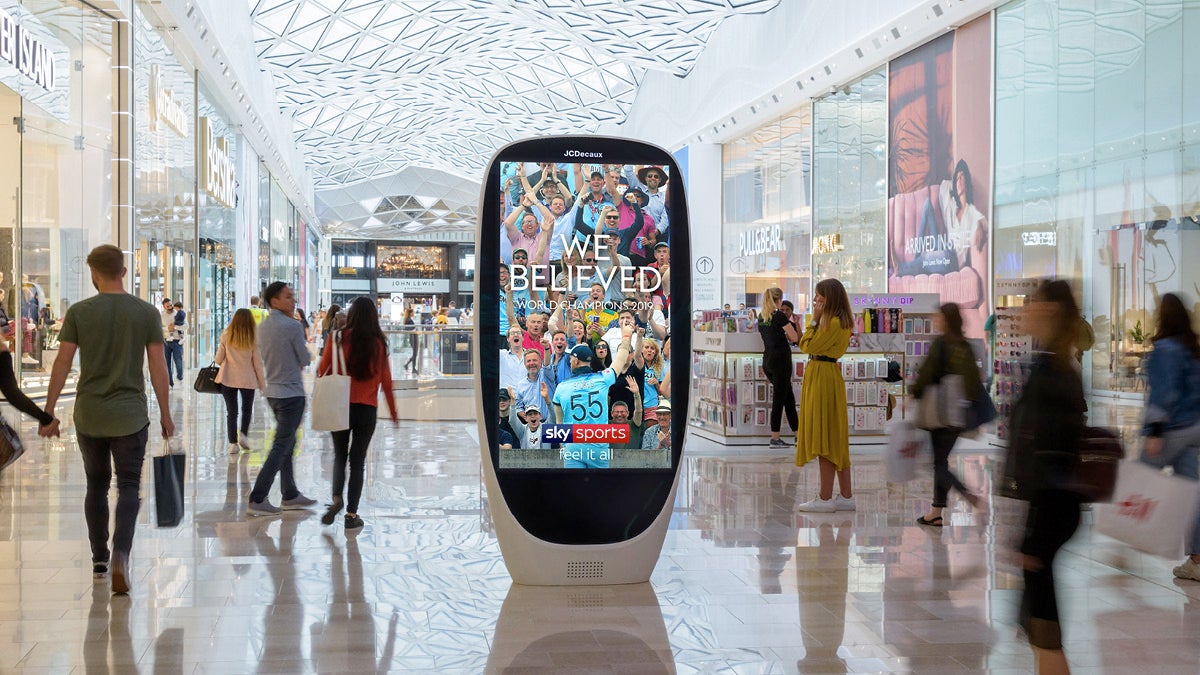
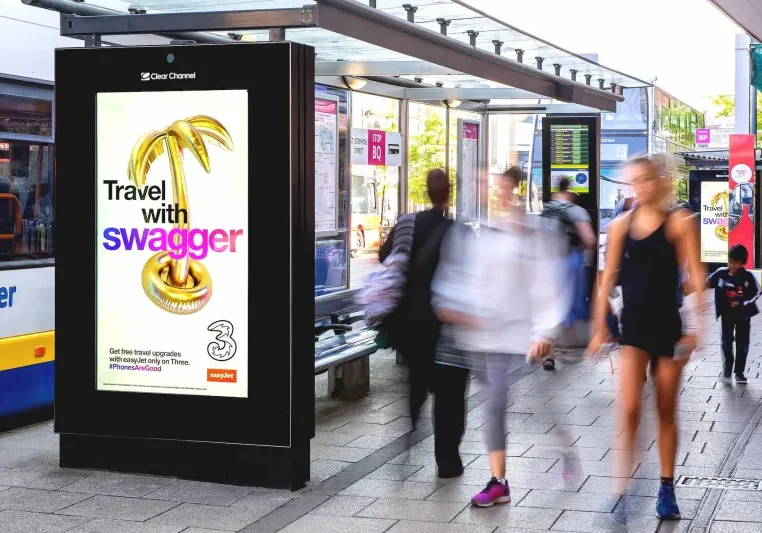
When planning your marketing strategy, it’s important to consider the ooh advertising audience.
Out of Home advertising reaches people in the real world — on their commute, during the school run, on a night out, or simply walking down the high street. But who exactly is that audience, and what makes them so valuable to brands?
What does OOH stand for?
Unlike digital advertising, which targets specific users based on data and behaviour, OOH advertising works on a fundamentally different principle — it reaches people by being in the places they already are.
That means the OOH audience isn’t a niche demographic. It’s commuters on the morning train, shoppers in the supermarket, families at a leisure centre, and professionals walking through a city centre. It’s broad, diverse, and — crucially — it cannot be blocked, skipped, or scrolled past.
In the UK, people spend a significant portion of their day outside the home. Research consistently shows that OOH advertising achieves some of the highest reach figures of any media channel, often exceeding television in certain demographics.
How people engage with outdoor advertising
The way people interact with OOH advertising has changed significantly over the past decade, driven largely by smartphones and digital screens.
A well-placed poster or digital screen doesn’t just create a visual impression — it prompts action. Studies show that OOH advertising regularly drives uplifts in online search, with consumers searching for brands they’ve seen on billboards, bus stops and transport networks. This makes OOH a powerful trigger for digital activity, not a competitor to it.
Key behavioural patterns worth understanding include:
Commuter audiences
People travelling by bus, train or underground are in a high-dwell environment with limited distractions. They notice and retain advertising more than audiences passing at speed. This is why London Underground advertising and train station advertising deliver such strong recall figures.
Retail audiences
Shoppers near supermarkets and shopping centres are already in a buying mindset. OOH advertising in these environments influences decisions at exactly the right moment, making formats like supermarket advertising and shopping centre advertising particularly effective for product and retail brands.
Motorist and pedestrian audiences
Billboard advertising and bus stop advertising reach people in transit, building brand familiarity through repeated exposure over days and weeks. Frequency is one of OOH’s greatest strengths — the same person passing the same site every day builds a level of brand recognition that a single digital impression simply cannot match.
Why the modern OOH audience is more valuable than ever
The rise of ad blockers, streaming services and subscription media has fragmented traditional advertising audiences. TV viewers skip ads. Podcast listeners pay for ad-free versions. Social media feeds are increasingly cluttered.
OOH sits outside all of that. It cannot be opted out of, and it exists in a physical space that people trust. Research consistently shows that consumers regard outdoor advertising as one of the most trusted and least intrusive advertising formats available.
Digital OOH has added a further layer of sophistication — dynamic content that changes by time of day, audience profile or even weather conditions means campaigns can be more relevant and targeted than ever before, while retaining all the reach and impact of traditional outdoor formats.
Reaching the right audience for your campaign
Understanding your audience is the first step in any successful OOH campaign. At Focus Media, we work with clients to identify the formats, locations and timing that will put their message in front of the right people at the right time.
Whether that’s bus stop advertising in a local town centre, billboard advertising on a busy arterial road, or a London Underground campaign targeting city professionals, the key is matching the format to the audience.
Take a look at our campaign planning page to find out how we approach audience targeting, or get in touch to discuss your next campaign.